
How Can I Choose Dance Classes Seniors Can Join Safely?
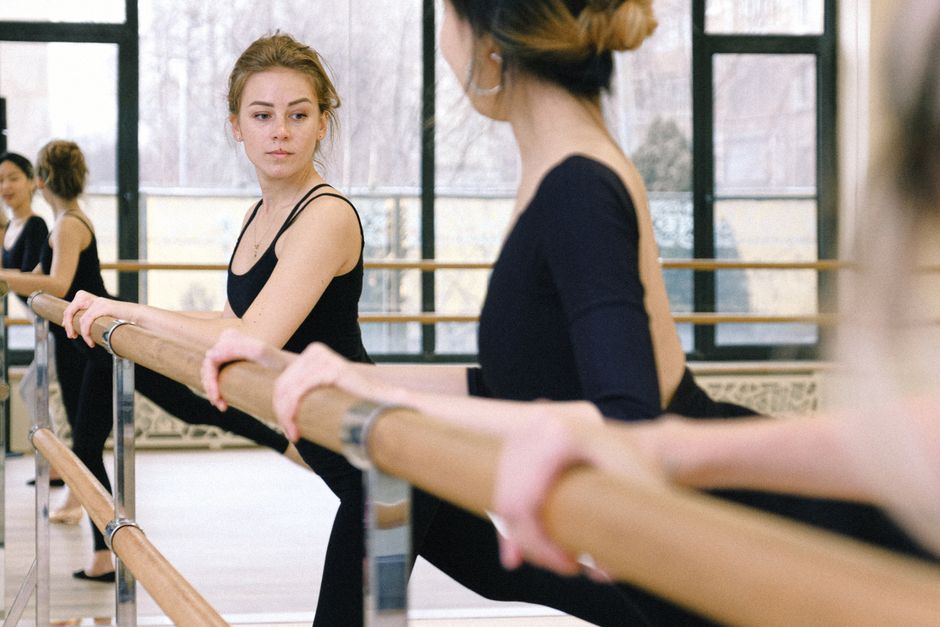
Dance classes seniors can join safely are those that let participants adapt movements, use a chair or mobility aid, pause when needed, and move at a comfortable pace. Before enrolling, ask about the entrance, floor, seating, class format, and instructor modifications, then observe a session if possible. Research on healthy, ambulatory older adults is encouraging, but it cannot guarantee safety for every person.
Can I take a dance class if I have poor balance or use a walker?
Yes, a person with poor balance or a walker may be able to take a dance class if the setting and movement options fit their needs. The practical test is whether the instructor can explain how to adapt movements and whether the room allows safe movement with the support you use.
Before signing up, ask about the route from the entrance to the dance area, steps or thresholds, the condition of the floor, and whether chairs or handrails are available. Find out whether participants can remain near a chair, skip turns, or pause without holding up the class. If a walker needs to be close by, say that directly when contacting the instructor.
There is promising research, but its scope matters. A 2020 systematic review and meta-analysis in JAMA Network Open covered 29 randomized trials with 4,239 healthy adults aged 65 and older. Across eight trials involving 1,579 participants, dance-based mind-motor activities were associated with a 37% lower risk of falling; across seven trials involving 2,012 participants, they were associated with a 31% lower rate of falls. The review excluded people with comorbidities directly associated with higher fall risk, so those findings do not establish that a particular class is safe for someone with balance limitations.
Use that evidence as context, not a promise. A group-level result cannot tell you whether a specific room, instructor, or routine suits your mobility. Ask to observe a session, describe how you move, and listen for a clear answer about adaptations before deciding.
Do senior dance classes offer seated or chair-supported options?
Some classes offer seated or chair-supported movement, but the format varies, so ask before attending. A chair can be part of the lesson rather than simply a place to sit out: it may support warm-ups, provide a seated way to practice movements, or be available when standing work feels unsuitable.
A 2026 exploratory case study in the Journal of Ageing and Longevity described a Sharing Dance Older Adults class in Canada. Researchers observed chairs arranged in a circle, seated warm-ups, and options to perform movements across the circle while standing or sitting. The small qualitative study offers examples of inclusive design; it does not prove that one setup is safe for everyone.
Ask the instructor what “chair-supported” means in that particular class. Does the teacher demonstrate movements both seated and standing? Can a participant choose a seated version for the full session, or only for certain exercises? Is a stable chair placed within easy reach? Specific questions reveal whether the option is built into the lesson or improvised on the spot.
For a first visit, confirm that the chair is positioned where the participant can follow the teacher and see the room. If a wheelchair is used, ask whether there are movement options designed for seated participation and whether there is enough room to position and maneuver it. The available research here describes one class design, not a universal accessibility standard, so checking the actual space and teaching approach is essential.
Can dancing make arthritis pain or mobility problems worse?
Dancing does not automatically worsen arthritis, but the style, intensity, and movement choices matter. The CDC identifies dancing as a joint-friendly activity that puts low or no stress on joints, and advises adults with arthritis to start physical activity slowly and pay attention to how their bodies feel.
The CDC guidance on arthritis and physical activity notes that some pain, stiffness, or swelling can be normal after starting a new activity. If symptoms do not improve over time, contact a health care provider. Short bouts of activity can count toward activity goals, so a participant can ask whether the class allows a shorter session or a break rather than treating the full routine as all-or-nothing.
The Arthritis Foundation recommends practical changes: slow the pace, perform movements in half time, avoid repetitive motions, and step rather than jump to reduce impact. Slower, isolated movements with both feet on the floor may suit some people better than rapid weight shifts or leaps. These are options to discuss with the instructor, not a guarantee that a particular movement will feel comfortable.
Before class, use a concrete script: “I have joint pain and need to avoid jumps and fast repeated turns. Can you show me lower-impact alternatives?” Also tell the instructor about limited range of motion or wheelchair use and ask what adaptations are available. The Arthritis Foundation reports that studies of dance-based exercise in people with rheumatoid arthritis found improvements in mobility and joint pain, alongside changes in other reported areas; that evidence does not mean every participant will have the same response.
How can you check a class before committing?
Assess the environment, teaching, and participant choices as separate checks. A welcoming description is useful; observable details make the decision more practical.
- Check access. Ask whether the route into the room is step-free or whether stairs are involved, and whether the dance area has clear space for the mobility aid you use.
- Check the floor and supports. Ask what the dance surface is like, whether chairs are available, and whether handrails or another stable support can be reached where movement happens.
- Check the teaching plan. Ask whether the instructor demonstrates seated and standing versions and can slow steps, reduce range of motion, or replace jumps and rapid turns.
- Check the pace and choice. Confirm that participants may pause, skip a turn, or sit down without pressure to keep up.
- Observe if possible. Watch whether options are demonstrated in practice and whether participants can choose how to move. Then decide whether the actual class matches the answers you received.
Keep the first conversation specific. “Is this class accessible?” can produce a vague yes. “Can I stay seated for some movements, keep my walker nearby, and pause when I need to?” gives the instructor a clear set of needs to answer. If the reply is uncertain, ask what can be confirmed before you arrive.
There is no single best dance style for every older adult. The Arthritis Foundation points to beginner-oriented options such as Zumba Gold, while also noting that some people may prefer slower movements with both feet on the floor. The relevant choice depends on the class’s actual pace and adaptations, not just its label. Age alone does not answer whether someone can learn: ask about beginner instruction, then assess the movements and support options against the participant’s needs.
Class costs are not specified in the research sources for this guide, so an average price cannot be verified here. Ask the provider directly about fees, trial or observation options, and any costs beyond enrollment. To start, make one call or send one message, describe the access or movement support needed, and request a chance to observe before committing.
Frequently Asked Questions
What should I ask an instructor before joining if I have limited mobility?
Describe the specific support you use or movements you need to modify, then ask whether the class offers seated or chair-supported options and whether the instructor demonstrates them. Also ask about entry access, floor surfaces, pacing, and whether participants can pause or skip turns.
How can I tell whether a dance class is accessible and safe for me?
Ask the instructor about the route into the room, seating, handrails, floor, class pacing, and movement modifications. If possible, observe a session and check whether seated and standing options are demonstrated and whether participants can choose their level.
Should I talk to my doctor or physical therapist before starting dance classes?
The CDC recommends talking with a health care provider before beginning physical activity when possible, so recommendations can be personalized. The Arthritis Foundation also recommends consulting a physician or physical therapist before trying a new dance fitness program, particularly when arthritis or mobility concerns affect movement.
Sources
- JAMA Network Open
- Centers for Disease Control and Prevention
- Arthritis Foundation
- Journal of Ageing and Longevity
Disclaimer: This article is for general information only and is not medical advice. It is not a substitute for diagnosis or treatment by a qualified healthcare professional. Always speak to your doctor before acting on anything you read here.
Related guides
Dance Classes for Seniors in My Area: Find the Right Fit
Compare nearby senior dance classes by style, schedule, beginner access, and cost, then confirm details directly with each provider.

How to Choose a Gym with Clean Showers and Convenient Hours
Assess gym cleanliness, shower access, towels, lockers, opening hours, and membership cost before choosing a facility.

Canadian Immigration Lawyers: Choose the Right One
Verify good standing, match experience to your case, and compare written scopes and fees before choosing Canadian immigration lawyers.
When Is Shortness of Breath During a Workout Normal, and When Should I Stop?
Learn how to distinguish expected workout breathlessness from warning signs that mean stop exercising and seek medical advice.