
How Does a Marriage Visa Work in the US?
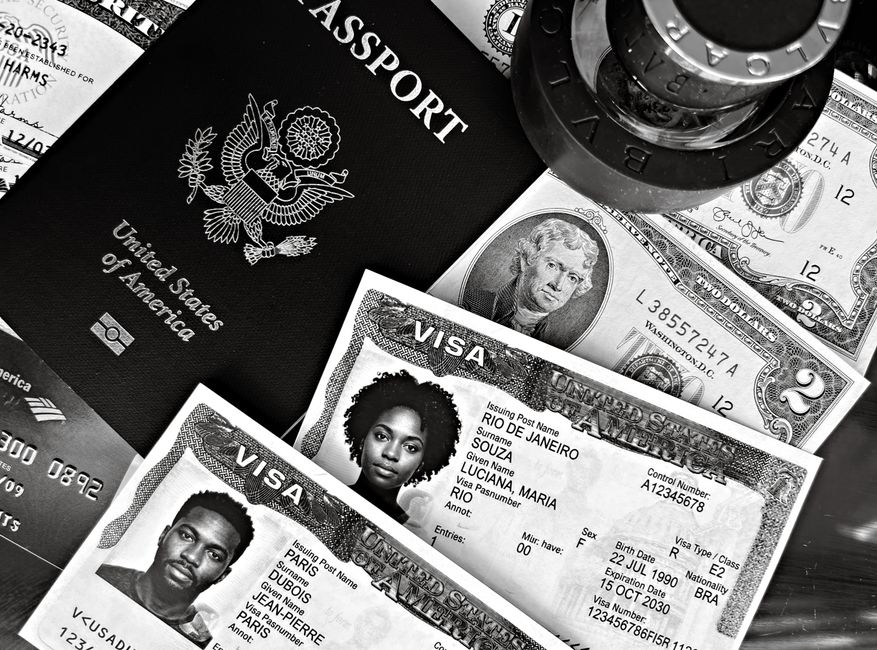
A U.S. marriage visa usually means the CR-1 or IR-1 immigrant visa for a foreign spouse of a U.S. citizen. The U.S. citizen files Form I-130; after approval, the case moves through the National Visa Center and a U.S. consulate. The spouse becomes a permanent resident upon admission, though couples married for less than two years at entry receive conditional residence.
How long does it take to get a marriage visa in the US?
There is no dependable single timeline for a U.S. marriage visa; processing varies by case stage, petitioner status, and consular post. The Department of State says individual processing time cannot be predicted accurately, and incomplete instructions, Affidavit of Support problems, or administrative processing can add delays.
The route has distinct stages. First, the U.S. citizen files Form I-130 with USCIS to establish the qualifying relationship. After USCIS approval and transfer, the National Visa Center creates the case and sends a Welcome Letter with a case number and invoice ID for access to CEAC.
At NVC, applicants pay required fees and submit the Affidavit of Support with financial documents, Form DS-260, and civil documents. Once the case is ready, interview scheduling depends on appointment availability at the relevant embassy or consulate. The Department of State’s NVC timeframes page is updated weekly and reports operational estimates for NVC case creation and document review, not a guaranteed end-to-end visa date.
USCIS processing-time estimates also need context. USCIS says its displayed figure represents the time taken to complete 80% of adjudicated cases over the prior six months. It is not a personal promise or a total estimate covering every consular stage. Check the relevant USCIS form, category, and office, then check NVC updates separately; neither figure alone predicts the interview date.
Can I get a green card through marriage?
Yes, a qualifying spouse can pursue permanent residence through marriage, but filing a petition alone does not grant a green card or immigration status. The route depends in part on whether the spouse is abroad or already in the United States and whether the petitioner is a U.S. citizen or lawful permanent resident.
For a spouse abroad, the usual path is I-130 followed by consular processing for a CR-1 or IR-1 immigrant visa. For an eligible spouse in the United States, adjustment of status using Form I-485 may be available. USCIS describes concurrent I-130 and I-485 filing for a U.S. citizen’s spouse who entered lawfully or was paroled, subject to the applicant’s circumstances. A spouse of a permanent resident generally must wait until a visa number is available and meet the applicable status requirements.
Marriage length at the time permanent residence begins affects the status granted. A spouse married for less than two years when admitted on an immigrant visa receives conditional residence. The couple must jointly file Form I-751 during the 90 days before the second anniversary of entry to remove the conditions. More background on the status itself appears in What Is a Green Card USA, and How Do You Get One?
What is required for a marriage visa?
A marriage visa application requires proof of the qualifying relationship, identity and civil records, financial sponsorship, and completion of medical and consular steps. The precise checklist depends on the instructions for the case and the consular post.
For the petition, USCIS lists proof of the petitioner’s U.S. citizenship or permanent-resident status, a civil marriage certificate, and evidence that any prior marriages ended. Foreign-language documents require a full English translation and translator certification. These records establish the legal basis for filing; they are separate from evidence showing the marriage is genuine.
For NVC and the interview stage, the Department of State generally requires a passport, Form DS-260, an Affidavit of Support such as Form I-864 when appropriate, civil documents, two 2-by-2-inch photographs, and a medical examination by an authorized panel physician. Translate civil documents when required by the case instructions.
Prepare the bona fide relationship evidence as a set of records, not a single dramatic proof. USCIS identifies jointly owned property, a joint lease or shared residence, combined finances, children’s birth certificates, third-party affidavits, and other evidence of an ongoing marital union. The strongest packet is organized around what the couple can document and avoids treating any one example as mandatory for every household.
What is the difference between a CR-1/IR-1 spouse visa and a K-1 fiancé visa?
A CR-1/IR-1 visa is for a couple already legally married when the foreign spouse immigrates; a K-1 visa is for a foreign fiancé(e) of a U.S. citizen who will marry after entering the United States. The route determines when the wedding occurs and whether the entrant arrives with permanent-resident status.
| Route | When it applies | Key next step |
|---|---|---|
| CR-1/IR-1 spouse visa | The couple is already married and the spouse is processing from abroad. | After admission, the spouse becomes a permanent resident; conditional residence applies when the marriage is under two years old at entry. |
| K-1 fiancé visa | The foreign fiancé(e) is entering to marry a U.S. citizen petitioner. | The couple must marry within 90 days of admission; the entrant then applies for a green card using Form I-485. |
| Adjustment of status | An eligible spouse is already in the United States and applies for permanent residence from there. | File Form I-485 when eligible; whether concurrent filing or a wait for visa availability applies depends on the petitioner and case. |
USCIS ties the K-1 adjustment route to marriage with the same U.S. citizen who filed Form I-129F. The couple must marry within 90 days of admission, and the K-1 entrant must meet the route’s other requirements. The K-1 option therefore involves a wedding in the United States followed by a separate green card application, while a spouse visa follows an existing marriage through consular processing.
Adjustment of status is not a general shortcut for every spouse in the country. Entry history, petitioner status, visa availability, admissibility, and other eligibility rules shape whether it is available. The key distinction is location and sequence: an overseas spouse completes consular processing; an eligible in-country spouse applies through USCIS.
Frequently Asked Questions
Can my spouse apply for a marriage visa while already in the United States?
A spouse in the United States does not generally use consular processing for an overseas spouse visa. An eligible spouse may instead apply for adjustment of status with Form I-485; for a U.S. citizen’s spouse who entered lawfully or was paroled, USCIS describes filing Forms I-130 and I-485 together. Eligibility depends on the circumstances, and some spouses must wait for a visa number.
What documents do we need to prove our marriage is genuine?
USCIS lists evidence such as jointly owned property, a shared lease or residence, combined finances, children’s birth certificates, third-party affidavits, and other records of an ongoing marital union. The petition also calls for a marriage certificate and evidence that prior marriages ended. Foreign-language documents need full English translations with translator certification.
How long does a marriage green card interview take?
The provided government sources do not state a standard interview length. They describe case and appointment processing, not how many minutes an individual interview lasts. Interview scheduling depends on appointment availability at the relevant U.S. embassy or consulate.
What happens after a marriage visa is approved?
After visa issuance, the immigrant visa is generally valid for six months, according to the Department of State. The spouse becomes a permanent resident upon admission to the United States. If the marriage is less than two years old at entry, the spouse receives conditional residence and the couple must jointly file Form I-751 during the 90 days before the second anniversary of entry.
Sources
- U.S. Department of State — Immigrant Visa for a Spouse of a U.S. Citizen (IR1 or CR1)
- U.S. Department of State — NVC Timeframes
- U.S. Citizenship and Immigration Services — Form I-130, Petition for Alien Relative
- U.S. Citizenship and Immigration Services — Bringing Spouses to Live in the United States as Permanent Residents
- U.S. Citizenship and Immigration Services — Green Card for Fiancé(e) of U.S. Citizen
- U.S. Citizenship and Immigration Services — More Information About Case Processing Times
Disclaimer: This article is for general information only and is not medical advice. It is not a substitute for diagnosis or treatment by a qualified healthcare professional. Always speak to your doctor before acting on anything you read here.
Related guides

How Do I Get a Canadian Work Visa?
Choose an eligible Canadian work permit pathway, submit complete documents and fees, and provide biometrics if required.
What Is the EB-5 Visa Cost?
The EB-5 visa cost includes at-risk investment capital plus separate government, professional, project, and family-related fees.

How Can Foreign Truck Drivers Get a Canadian Work Permit?
A practical guide to the LMIA, outside-Canada work-permit evidence, licensing, and common application gaps for foreign truck drivers.

When Is Shortness of Breath During a Workout Normal, and When Should I Stop?
Learn how to distinguish expected workout breathlessness from warning signs that mean stop exercising and seek medical advice.