
What Should I Eat During Chemotherapy When Food Is Hard to Tolerate?
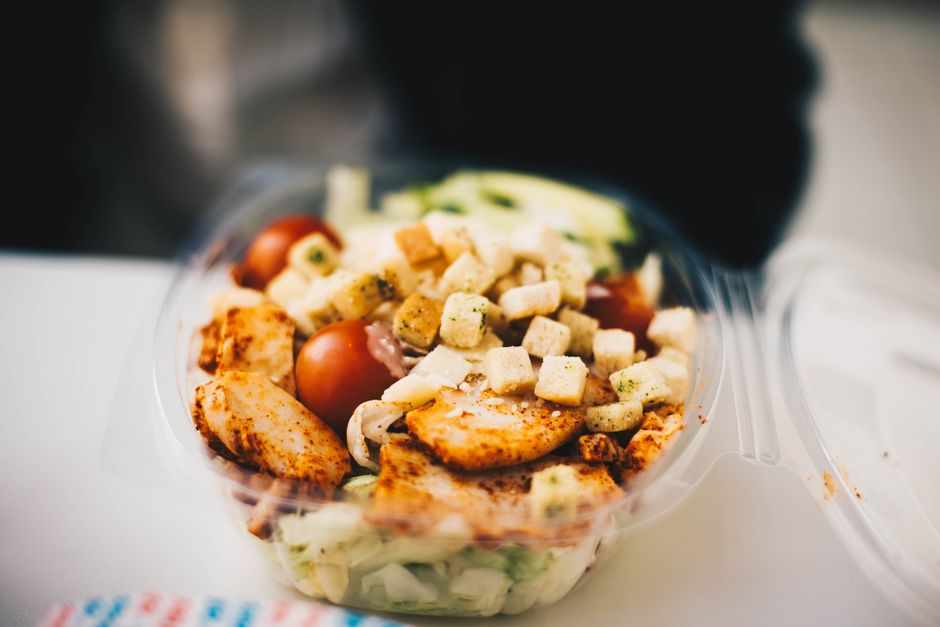
During chemotherapy, choose the food your body can manage: small, frequent portions; bland, soft, cold, or room-temperature dishes; and protein- and calorie-rich foods when appetite appears. Match the meal to the problem. Crackers and toast can settle nausea, sauces can soften food for a sore mouth, and plastic utensils can help when food tastes metallic.
What foods are easiest to eat during chemotherapy nausea?
The easiest foods during chemotherapy nausea are small portions of plain, low-odor foods such as crackers, pretzels, dry toast, dry cereal, rice, pasta, potatoes, yogurt, gelatin, popsicles, eggs, soup, and baked poultry or fish. Memorial Sloan Kettering Cancer Center advises six small meals and snacks instead of three large meals. Its reason is plain: an empty stomach can make nausea worse.
Start before the day gathers speed. Crackers, dry cereal, or toast before getting out of bed are listed by MSK as options for nausea. Keep easy-to-digest snacks within reach. The National Cancer Institute also names pretzels and crackers for days when feeling sick.
Heat carries smell. Serve food cold or at room temperature when the scent of hot food turns the stomach. A chilled yogurt, cold pasta, a popsicle, or room-temperature soup can be easier than the same food steaming on a plate.
| Barrier | Practical food adjustment |
|---|---|
| Nausea | Offer dry toast, crackers, pretzels, rice, pasta, or potatoes in small portions. |
| Hot-food odors | Serve food cold or at room temperature. |
| Low appetite | Use the appetite window for protein- and calorie-rich food or a liquid meal replacement. |
| Diarrhea | Ask the oncology team or dietitian about the NCI's low-fiber food guidance. |
| Constipation | Tell the oncology care team; constipation is a treatment-related eating barrier identified by the American Cancer Society. |
Skip fried, greasy, high-fat, and spicy food while nausea is active. They can make the problem worse. Small food is still food.
What can I cook for someone whose food tastes metallic during chemo?
Cook mild protein foods and change the serving method: chicken or turkey in place of red meat, eggs, dairy, tofu, beans, or fish, served at room temperature with plastic utensils and glass cookware. The NCI recommends chicken or turkey when beef tastes or smells wrong. MSK also suggests avoiding canned foods when metallic or bitter tastes take over.
Do not treat a changed taste as pickiness. Chemotherapy can change taste and smell, and a once-familiar meal can become unbearable without warning. Build the plate in separate parts: a protein, a plain starch, and a soft or chilled side. This lets the person leave one part untouched without losing the whole meal.
Texture often decides the meal. For a sore mouth or throat, cook food until tender, then mash or puree it. Add broth, sauce, oil, butter, or gravy to make swallowing easier, as MSK recommends. The American Cancer Society advises chilled fluids and soft, moist foods for mouth sores.
Avoid raw fruits and vegetables, hard or crusty foods, alcohol, tobacco, and acidic juices or foods such as orange, grapefruit, lemon, lime, and tomato when mouth sores are present. Soft food is not lesser food. It is food shaped for the day at hand.
When appetite is low, do not wait for hunger to become a meal plan. The NCI says cancer treatment can raise the need for protein and calories and advises liquid meal replacements or protein shakes when appetite is low. For broader context on weight goals outside treatment, see What Is a Realistic Healthy Weight Range for Me?.
Should I eat before chemotherapy treatment?
Yes. For most people, a light meal or snack about 1 hour before chemotherapy works best, according to the American Cancer Society. Choose a familiar food that has been tolerable: toast, crackers, yogurt, rice, eggs, or another small meal matched to current symptoms.
For a long treatment visit, bring a small meal or snack in an insulated bag or cooler. Ask the treatment site whether a refrigerator or microwave is available. Do not make the clinic day a test of endurance with an empty stomach.
Fluids matter alongside food. The NCI patient guide says most adults should drink 8 to 12 cups of liquid each day. The care team should set the plan when a patient has fluid restrictions or other medical instructions.
Food safety belongs in the recipe. Chemotherapy can lower infection-fighting white blood cells. Keep food at safe temperatures, scrub produce, and use separate utensils, plates, and cutting boards for raw meat and produce, as the NCI advises.
Call the oncology care team if the patient cannot eat for more than 2 days. The American Cancer Society also says to report losing more than 3 pounds per week, weakness or tiredness, or trouble eating. A registered dietitian or nutrition supplement can become part of the treatment plan.
Frequently Asked Questions
What are good high-protein foods when a chemo patient has no appetite?
Use protein foods that fit the person's current tolerance: eggs, yogurt, cheese, chicken, fish, tofu, beans, nuts, dairy, or a liquid meal replacement or protein shake. The National Cancer Institute advises eating protein and calories when appetite is strongest. Serve a small portion rather than waiting for a full meal to sound appealing.
What foods help when chemo causes mouth sores or trouble swallowing?
Choose chilled, soft, moist foods that can be mashed or pureed, such as yogurt, smooth soups, soft eggs, or tender foods with broth, sauce, or gravy. Avoid rough, dry, spicy, salty, sour, and acidic foods, including citrus and tomato products. Contact the cancer care team if the patient cannot eat or drink much for 2 days, cannot take medicines because of sores, or has a temperature of 100.5 degrees F or higher.
Which foods should I avoid when I feel nauseated after chemotherapy?
Avoid high-fat, fried, greasy, and spicy foods when nausea is active, since Memorial Sloan Kettering lists them as foods that can worsen it. Hot-food smells can also be a problem, so cold or room-temperature food is often easier. Keep food safety in view: chemotherapy can lower infection-fighting white blood cells, so food needs safe handling and storage.
Sources
- National Cancer Institute: Nutrition in Cancer Care
- National Cancer Institute: Eating Hints Before, During, and After Cancer Treatment
- American Cancer Society: Common Problems When Eating During Cancer Treatment
- American Cancer Society: Mouth Sores
- Memorial Sloan Kettering Cancer Center: Eating Well During Your Treatment