
What Is the Best Alternative to Plastic Food Packaging?
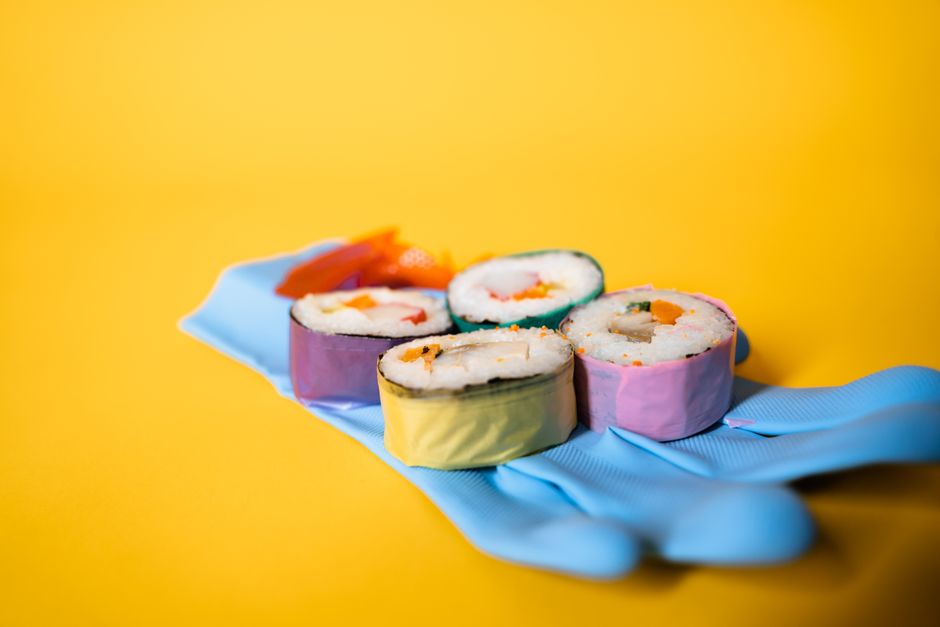
There is no single best alternative to plastic food packaging: choose based on the food, the disposal route available locally, and how the package will be used. Paper and molded fiber suit some dry or lightly greasy foods, compostable packaging works only where a suitable collection facility accepts it, and reusable containers make most sense when return, washing, and repeated use are practical.
What is the best alternative to plastic food packaging?
The best alternative is the one that protects the specific food and has a realistic reuse, recycling, or composting route where it is sold. A paper wrapper, molded-fiber tray, compostable cup, and returnable container solve different problems; choosing by label alone can leave a business with spoiled food or packaging that local services cannot process.
Start with the job the package must do. Is the food wet, oily, hot, or sensitive to moisture loss? Does it need protection during transport or storage? Then check the disposal route with the local authority or waste provider. The U.S. Environmental Protection Agency (EPA) advises that recycling options vary by location and recommends checking with county or municipal programs.
Reusable packaging is not an automatic winner. A 2024 life-cycle assessment by the European Commission Joint Research Centre compared six packaging case studies. The results depended on the product and impact measured: a single-use takeaway carton had a lower climate-change impact than its multiple-use counterpart in the benchmark, while the multiple-use option had lower water-use impact and a slightly lower aggregate score. Multiple-use packaging performed better across most impact categories in the glass-bottle and dine-in scenarios.
The practical test is whether the system can deliver repeated use without excessive return transport or washing. The Joint Research Centre identifies the number of reuses as a key driver, and notes that hot-water washing and return trips can substantially affect results. Dine-in systems can avoid return journeys and make more reuse cycles easier. For a small business, compare the whole operating setup—not just the container material.
| Option | What it can suit | Key limitation to check |
|---|---|---|
| Paper | Some dry or lightly greasy foods | Food residue, moisture, and barrier coatings can affect performance and recycling. |
| Molded fiber | Food-service formats such as trays and containers | Production inputs, chemical concerns, and a viable local disposal route need consideration. |
| Compostable plastic | Uses accepted by a suitable composting collection program | Industrial compostability does not mean home or landfill breakdown; acceptance is local. |
| Reusable container | Systems with reliable returns and repeated use | Return transport, cleaning, and actual reuse count shape performance. |
Does compostable packaging break down in a landfill?
Do not assume compostable packaging will break down in a landfill: the EPA describes commercially compostable plastics as designed for biological treatment conditions at an industrial or commercial composting facility. The label alone does not establish that a landfill or home compost pile provides those conditions.
For commercial compostability, the EPA says the material is designed to decompose within six months and leave no toxic residue. It identifies ASTM D6400 and D6868 as standards for commercial compostability, while noting that there are currently no ASTM standard test methods for evaluating whether plastic will compost in a home environment. That distinction matters: “compostable” is not a universal promise about every disposal setting.
Collection is the next gate. Compostable plastics are not intended for conventional plastic recycling and can contaminate that recycling stream. The EPA says local collection programs determine whether there is an accepted disposal route. Before buying, ask the waste provider whether it accepts the exact packaging type and whether the business can keep it separate from recycling and general waste.
Research on food-service packaging also makes clear that a compostable claim does not settle every material question. CalRecycle lists a 2024 University of California, Davis report evaluating packaging compostability under industrial composting conditions and investigating bench-scale techniques for remediating PFAS. For a buyer, the useful move is to verify both the composting route and the product information, rather than treating the word “compostable” as a complete environmental assessment.
Can paper packaging safely hold wet or oily food?
Paper can hold some wet or oily foods when it has a suitable barrier, but ordinary paper is not automatically a reliable moisture or grease barrier. The right choice depends on the food and the package’s performance; a coating can help, while also changing how the package is recycled or disposed of.
A 2022 study in the University of Girona Digital Repository examined paper coatings and reported that some formulations provided oil repellency, including a grease-resistance Kit rating of 12 in one formulation. The study also describes a hydrophobization approach with water-vapor transmission above 600 g/m²/day, which was too high for the moisture-sensitive products considered. These findings show why “paper” is not a performance specification: barrier properties vary with the treatment and the intended food.
Coatings create a trade-off. The Girona study notes that conventional lamination may use polymers, affecting disposal and recyclability. For food businesses, the decision is not simply paper versus plastic; it is whether a particular paper package can protect the food without undermining the disposal route available locally.
Molded fiber has its own limits. A 2022 peer-reviewed review in Food Packaging and Shelf Life describes molded-pulp packaging made from wood and non-wood fibers, including bagasse, wheat, and bamboo. It identifies production energy and chemical use, PFAS concerns, and the need for viable composting or recycling pathways as relevant considerations. The review also notes that advances in processing, additives, and fiber mixes may enable products that avoid toxic fluorochemicals—but buyers should confirm the claims and the route for the specific product.
For paper recycling, the EPA’s rule is direct: materials generally need to be empty, clean, and dry. Wet or food-soiled paper may instead be compostable, depending on local collection. Check local rules before putting coated or food-stained packaging into recycling; when the local program’s guidance is unclear, ask the program rather than guessing.
Frequently Asked Questions
Is reusable packaging better than recyclable packaging?
Not automatically. A 2024 European Commission Joint Research Centre assessment found that results varied by product and impact category; return transport, washing, and the number of reuses affected reusable systems. Reuse is more compelling when containers are used repeatedly and return logistics are efficient, while recycling depends on local acceptance and clean, dry materials.
How can a small business switch packaging without increasing waste?
Start with one product and confirm which packaging your local recycling or composting program accepts. Match the material to the food, then check how collection, returns, and cleaning will work before changing the full range. Track actual disposal and return behavior so the next change is based on how the system works in practice.
Before making a purchase, write down three things: what the food needs from its package, what local collection accepts, and what the business can reliably sort, return, or wash. Then test the switch on one product and review whether the packaging protects the food and reaches its intended route.
Sources
- U.S. Environmental Protection Agency: Frequently Asked Questions About Plastic Recycling and Composting
- European Commission Joint Research Centre: Life-cycle assessment of food packaging
- U.S. Environmental Protection Agency: Frequent Questions on Recycling
- Food Packaging and Shelf Life: Review of molded-pulp food packaging
- University of Girona Digital Repository: Study of paper coatings
- California Department of Resources Recycling and Recovery: Food-service packaging compostability report
Related guides
Which Foods Contain Microplastics, and Are They Dangerous?
Microplastics have been found in many foods, but inconsistent testing and limited health evidence make the risks—and the role of packaging—uncertain.