
Electrical Engineering Jobs Charlotte NC: A Practical Guide
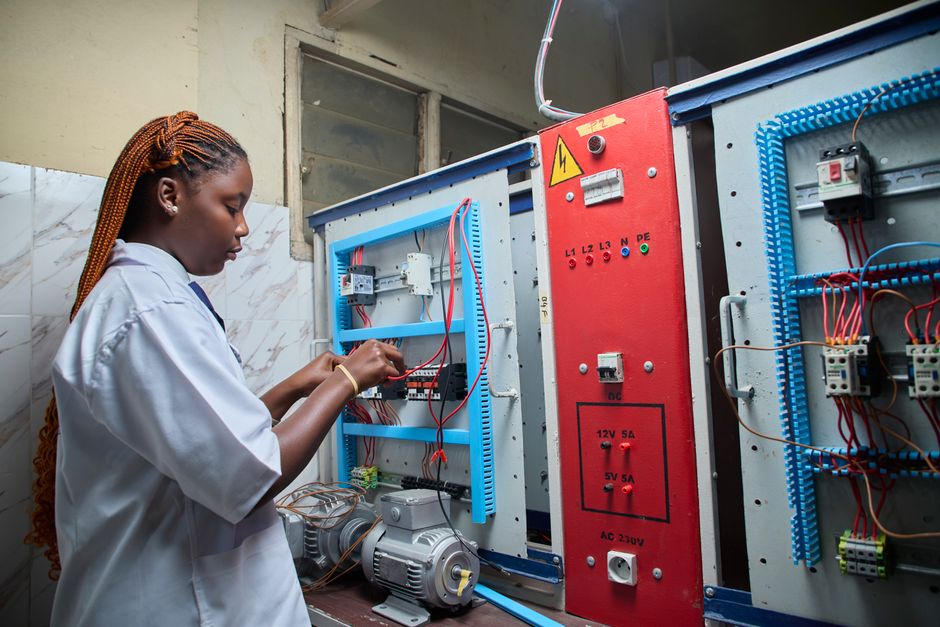
Electrical engineering jobs Charlotte NC span utilities and power, nuclear, controls, manufacturing, and building systems. O*NET puts the metro median at $103,360, with a middle-half range of $77,650–$137,850; an entry-level Charlotte substation posting listed $75,000–$85,000. Match your search to a specialty, check experience and hybrid requirements, and show relevant coursework or internship work.
How much do electrical engineers make in Charlotte, NC?
Electrical engineers in the Charlotte-Concord-Gastonia metro have a reported median annual wage of $103,360, according to O*NET OnLine. Its 25th-to-75th-percentile range is $77,650–$137,850, while the 10th percentile is $65,140 and the 90th percentile is $213,210. The spread is a useful reminder: specialty, responsibility, and experience can move compensation well away from the median.
Indeed’s reported Charlotte average in the topic research is $104,341, while the cited O*NET median is $103,360. These figures are close but not interchangeable: one is an average and one a median, and their underlying methods may differ. A specific early-career benchmark comes from GFT’s Charlotte entry-level substation engineer posting, which advertised $75,000–$85,000 and specified 0–2 years of relevant experience.
For context, BLS reported a $46.76 average hourly wage for the broad architecture and engineering occupational group in the metro in May 2024. That is not an electrical-engineer-specific rate, so use it as local labor-market context rather than a salary estimate for this occupation.
How much does an electrical engineer make in North Carolina?
O*NET reports a statewide North Carolina median annual wage of $110,130 for electrical engineers, with a 25th-to-75th-percentile range of $79,370–$148,330. That state median is higher than the Charlotte metro median in the same source, but it does not mean a worker in every part of the state or every specialty earns that amount.
The BLS Occupational Outlook Handbook reports a national median of $120,630 in May 2025. This figure uses a different geography and publication, so it should not be read as a direct forecast for a Charlotte offer. For comparison, the BLS projects 8% employment growth for electrical and electronics engineers from 2025 to 2035 and about 16,300 openings per year nationally; that indicates broad occupational demand, not a guaranteed number of local vacancies.
A $500,000 salary is not a normal employee expectation supported by these sources. O*NET’s Charlotte 90th-percentile wage is $213,210, which is high but still far below that figure. Treat unusually large salary claims as needing separate evidence and do not use them as a baseline when evaluating ordinary job postings.
Are there entry-level electrical engineering jobs in Charlotte for new graduates?
Yes. The documented GFT listing is specifically an entry-level substation engineer position in Charlotte, with 0–2 years of relevant experience and an advertised salary of $75,000–$85,000. It asks for a bachelor’s degree in electrical engineering from an ABET-accredited program; demonstrated interest through applied coursework, an internship, or work experience can qualify as relevant preparation.
The posting’s work description makes “substation” a more useful search term than the broad title alone. Its listed tasks include layouts, grounding, AC/DC systems, schematics, SCADA and communications, relay panels, wiring, cable schedules, calculations, and equipment specifications. EIT certification and electrical design software experience are preferred, rather than stated as required.
BLS says a bachelor’s degree in electrical engineering, electronics engineering, or a related field is typical, and employers value internships and cooperative education. It also identifies electric power, radio communications, and control systems as specialization areas. Use those disciplines as search filters, then read each posting for its actual degree and experience threshold.
Can I get an electrical engineering job in Charlotte with no experience?
You can target jobs that accept new graduates, but “no experience” does not always mean “no evidence of applied skill.” The GFT listing accepts relevant coursework, an internship, or work experience as a way to demonstrate interest, while setting a 0–2-year experience range. A portfolio of course projects or a clear description of relevant lab work can help make that evidence easy to assess, but requirements vary by employer.
Use this quick comparison to decide what to search and what to verify. The table reflects only the options and details documented in the sources; unreported information is marked accordingly.
| Option | Who it suits | Cost | Key limitation |
|---|---|---|---|
| GFT entry-level substation engineer, Charlotte | Applicants with 0–2 years and relevant coursework, internship, or work experience | $75,000–$85,000 annual salary posted | At least three days in the Charlotte office; EIT and design software preferred |
| Power or substation specialty search | Applicants interested in electric power systems | not published | Local opening count not published in the sources |
| Controls specialty search | Applicants interested in control systems | not published | Local opening count and salary not published in the sources |
| Building systems, manufacturing, or nuclear search | Applicants targeting those employer or project settings | not published | Specific Charlotte postings and requirements not published in the sources |
Build a focused search rather than sending the same application everywhere. Try title phrases such as “entry-level substation engineer,” “electrical controls engineer,” and “electrical design engineer,” then check nearby Fort Mill and Rock Hill as additional location terms. The supplied research does not verify how many current roles are in those towns, so confirm the location on each live posting.
- Filter by discipline. Start with power, substation, controls, manufacturing, nuclear, or building systems; BLS confirms power and control systems as electrical engineering specializations.
- Check the screen-out details. Note experience range, degree accreditation, required software, and whether the role is hybrid or office-based. The GFT position, for example, requires at least three days in its Charlotte office.
- Translate your evidence. Put relevant coursework, internship tasks, and tools near the top of your resume. Connect them to the actual work listed rather than relying on a generic statement that you are a fast learner.
- Separate entry qualifications from licensure. BLS says entry-level positions do not require a license; FE/EIT progression can still be relevant when a posting prefers it or your long-term path includes professional licensure.
North Carolina’s Board of Examiners for Engineers and Surveyors says the standard PE pathway for an EAC/ABET-accredited engineering bachelor’s graduate includes four years of progressive experience after graduation and passing the FE exam before sitting for the PE exam. Passing the PE exam and meeting experience requirements precede the license application. That is a career progression, not a blanket entry-level hiring requirement.
Frequently Asked Questions
Which Charlotte-area employers hire electrical engineers?
The provided research documents a Charlotte entry-level substation engineer posting from GFT. It does not establish a complete employer list across utilities, nuclear, controls, manufacturing, and building systems, so verify current openings directly through specialty-specific searches.
What electrical engineering specialties are hiring in Charlotte, such as power, controls, or building systems?
The sources support power and substation work locally through the GFT posting, which covers layouts, grounding, AC/DC systems, SCADA, communications, and relay panels. BLS identifies electric power and control systems as specializations, but the research does not provide a count of current Charlotte openings by specialty.
Do Charlotte electrical engineering jobs require an EIT or PE license?
The BLS says licensure is not required for entry-level electrical and electronics engineering positions. North Carolina’s standard PE pathway requires passing the FE exam and, for an EAC/ABET bachelor’s graduate, four years of progressive experience before applying after passing the PE exam.
How can I make my electrical engineering resume stand out to Charlotte employers?
Match the resume to the posting’s specialty and list relevant coursework, internship or cooperative experience, and design software familiarity when you have them. For substation roles, connect your experience to the posting’s systems and deliverables, such as grounding, schematics, SCADA, or cable schedules.
Sources
Related guides

What Is the Best Alternative to Plastic Food Packaging?
Compare paper, molded fiber, compostables, and reusable food packaging by performance, disposal access, and practical trade-offs.

Which Foods Contain Microplastics, and Are They Dangerous?
Microplastics have been found in many foods, but inconsistent testing and limited health evidence make the risks—and the role of packaging—uncertain.

Canadian Immigration Lawyers: Choose the Right One
Verify good standing, match experience to your case, and compare written scopes and fees before choosing Canadian immigration lawyers.

What Happens at an Immigration Lawyer Consultation?
An immigration lawyer consultation may be a screening call or paid case review; confirm its cost, scope, records to bring, and next steps.