
How Can I Make a Quick Summer Pasta Salad That Stays Fresh?
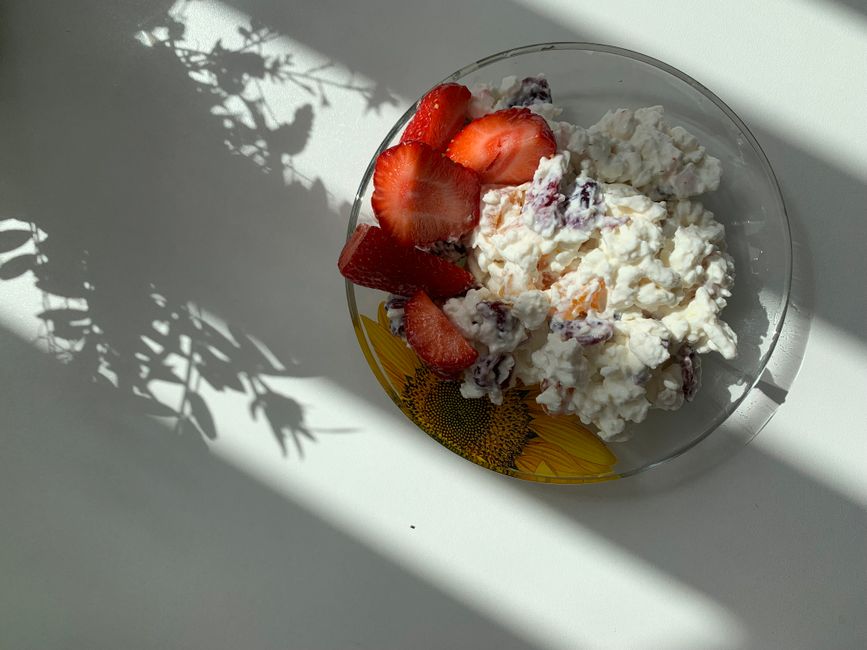
Build a quick summer pasta salad with a short pasta shape, crisp seasonal vegetables, and a dressing that reaches every bite. Toss some vinaigrette with the pasta while it is warm, then cool it before adding delicate herbs, greens, or other last-minute ingredients. Briny additions such as olives or pepperoncini bring brightness; refrigerate the finished salad promptly.
What can I put in a quick pasta salad?
A quick pasta salad can start with cooked pasta, a few vegetables, a dressing, and one or two flavorful add-ins. Think cucumber and tomato for freshness, olives or pickled peppers for a briny edge, then cheese, beans, or leftover grilled protein to make it more filling.
There is no need to build a long ingredient list. The USDA’s Nutrition.gov recipe combines cucumber, carrot, tomato, green pepper, broccoli, radish, and onion with a vinegar-and-garlic dressing. It also invites cooks to customize the salad with favorite pasta and vegetables. Use that as a flexible template: choose what is ready, then balance crisp produce with something salty or tangy.
For a Greek-style direction, Serious Eats pairs cherry tomatoes, cucumber, olives, pepperoncini, pickled red onions, feta, and dill with lemon, red-wine vinegar, and olive oil. That combination makes the flavor logic clear. Fresh vegetables bring crunch and juiciness; brined ingredients bring salt and acidity; feta and herbs round out the bowl.
Beans can add substance without another cooking step if you have cooked beans on hand. Cheese offers richness, while leftover grilled protein turns the salad toward a full meal. Keep the late additions—such as arugula, basil, or tender herbs—until the pasta has cooled, so they stay distinct rather than wilting into the dressing.
Which pasta shape works best for pasta salad?
Fusilli is a strong choice because its spirals catch dressing and small ingredients, while shells and orecchiette hold pieces in their concave shapes. The best shape is one that carries the mix into each forkful instead of leaving the dressing and add-ins at the bottom.
America’s Test Kitchen recommends fusilli, describing its spiral as a place where dressing and other ingredients get caught. That matters in a cold salad: the pasta is not merely a base; its ridges and turns help distribute flavor.
Serious Eats points to shells and orecchiette for a different reason. Their concave forms can hold vegetables, cheese, and cured meat in each bite. Choose fusilli when the salad has small bits and you want dressing to cling. Choose shells or orecchiette when you want little pieces tucked into the pasta.
Cook the shape according to the method you are following. Serious Eats calls for pasta cooked two to three minutes beyond al dente, noting that cooling firms it through starch retrogradation. That contrasts with the common instinct to stop pasta at a firm hot-dish texture. For a chilled salad, follow the recipe’s timing rather than guessing from the pot; the final texture changes as the pasta cools.
How do I make pasta salad taste flavorful quickly?
Season the pasta before it is fully cold, then layer in acidity, salt, and fresh ingredients. Tossing warm pasta with some vinaigrette gives the dressing a chance to soak in; adding the rest after cooling refreshes the surface and seasons the vegetables.
In its Greek pasta salad method, Serious Eats tosses warm pasta with part of the vinaigrette before cooling. The recipe then combines it with the remaining dressing and ingredients. Its pasta cools on a sheet pan for about 15 minutes, and the assembled salad rests for about 30 minutes so the flavors meld. Those are recipe-specific timings, not rules for every salad, but the sequence is useful: season, cool, finish, rest.
For a fast vinaigrette, use oil with vinegar or lemon, plus garlic if it suits the dish. Nutrition.gov’s recipe uses vinegar and garlic. A creamy dressing can bring a softer, richer texture, but it does not replace the need for contrast. Add crisp vegetables or a tart ingredient so the bowl does not taste one-note. The supplied recipes offer more detail on vinaigrette than on creamy dressing, so use a familiar creamy dressing to taste rather than treating it as a source-backed ratio.
Briny ingredients do efficient work. Serious Eats notes that capers, banana peppers, and olives bring brightness and acidity; tomatoes and roasted red pepper add further flavor, while mozzarella and basil round out the salad. A small amount of one sharp, salty ingredient can lift plain pasta more quickly than a pile of extra seasoning.
Keep the finishing touches for last. Fold in greens, fresh herbs, or a soft cheese after cooling, then taste and adjust the dressing. If the salad has been sitting, toss it once before serving so ingredients and dressing are redistributed.
Cold food needs a cold place. The USDA Food Safety and Inspection Service says to refrigerate perishable food within two hours, or within one hour when the temperature is above 90°F. Keep the refrigerator at 40°F or below and cold food at 40°F or colder. At a summer gathering, that makes prompt chilling part of the recipe, not an afterthought.
Frequently Asked Questions
Should I rinse pasta for a cold pasta salad?
It depends on the method. Nutrition.gov’s recipe drains and rinses pasta with cool water, while Serious Eats tosses warm pasta with vinaigrette before cooling so it absorbs flavor. For a more seasoned salad, dress the warm pasta first; rinse it when you want to stop cooking quickly and follow a method that calls for it.
What vegetables and cheese go well in summer pasta salad?
Cucumber, carrot, tomato, green pepper, broccoli, radish, and onion are among the vegetables in Nutrition.gov’s recipe. For a Greek-style version, Serious Eats pairs cherry tomatoes and cucumbers with feta, olives, pepperoncini, pickled red onions, and dill. Choose a few crisp vegetables and one cheese so the dressing and pasta still come through.
Sources
Related guides
Can I Use Baking Powder Instead of Baking Soda?
Learn the baking powder-to-soda ratio and how acidic ingredients change the flavor, browning, spread, and texture of cookies, cakes, and muffins.
What Should I Eat During Chemotherapy When Food Is Hard to Tolerate?
Practical food and recipe adjustments for chemotherapy nausea, mouth sores, metallic taste, low appetite, hydration, and food safety.
What Is a Light Breakfast Before Chemotherapy When Nausea Is a Concern?
A practical guide to light, low-odor breakfasts, timing, snacks, and nausea warning signs before a chemotherapy infusion.
What Can I Eat When Everything Tastes Metallic During Chemotherapy?
Practical, safety-aware meal and snack ideas for chemotherapy taste changes, including metallic taste, red-meat aversion, and mouth sores.