
What Should I Wear From the Beach to a Taverna in Greece?
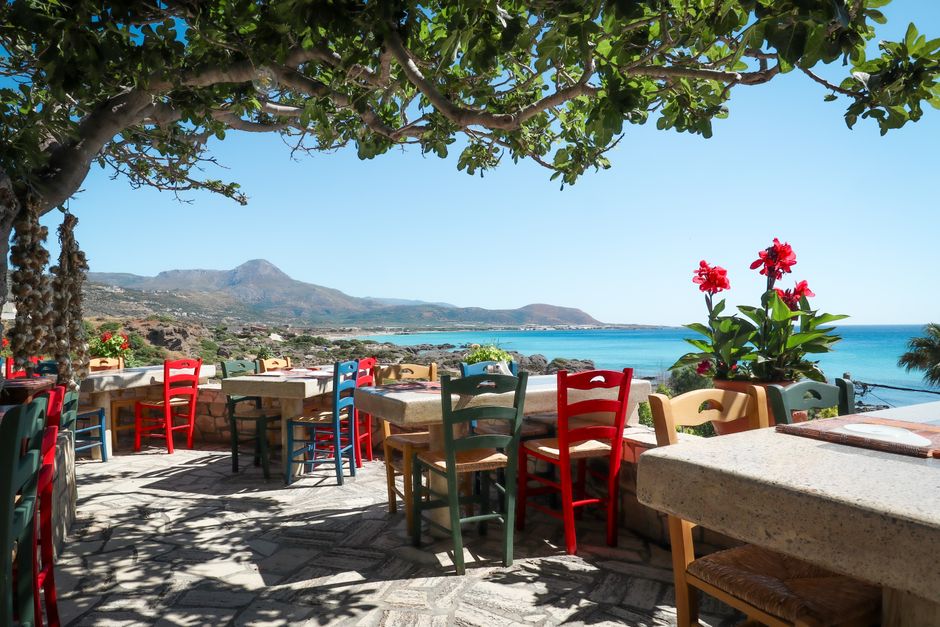
Wear swimwear at the beach, then add an opaque cover-up, loose shirt, dress, or shorts before walking through town or sitting at a taverna. Pack sandals with secure soles, reef shoes for rocky water, and one light layer for wind. Keep shoulders and legs covered for churches, temples, and archaeological sites, where swimwear is not permitted.
Can I wear a swimsuit and cover-up to a taverna in Greece?
Yes, if the cover-up makes the swimsuit feel like part of an outfit rather than the whole outfit. A dry, opaque shirt dress, a loose button-front shirt over swimwear, or shorts and a lightweight top makes the transition clean.
The line is simple. The beach permits beachwear. The street asks for another layer.
Visit Greece states that board shorts and string bikinis are acceptable beachwear, then advises visitors to cover shoulders and legs at churches and temples. That wording matters. It describes where swimwear belongs, not a universal outfit for every stop after the sea.
Public sources supplied for this guide do not set a single dress code for Greek tavernas. Choose a dry layer and shoes before taking a table. This is a practical standard, not a claim that every restaurant applies the same rule.
Keep one proper change of clothes within reach on sightseeing days. The Ephorate of Antiquities of Cyclades states in its 2026 visitor rules that entry in swimwear or inappropriate clothing is prohibited at state archaeological sites and museums in the Cyclades. Delos, Santorini, Amorgos, Andros, Ios, and Kea are among the places covered by that guidance.
| Stop | Wear | Keep with you |
|---|---|---|
| Beach | Swimsuit or board shorts | Hat, sunscreen, reef shoes |
| Island street | Opaque cover-up, overshirt, dress, or shorts and top | Secure sandals |
| Casual taverna | Dry outer layer over swimwear or a simple changed outfit | Light layer for wind |
| Church, temple, museum, or archaeological site | Clothing covering shoulders and legs | A separate dry outfit |
What do people wear on Greek islands after the beach?
After the beach, wear a dry layer that can handle a walk, a meal, and a change in weather. The useful formula is swimwear beneath one piece that stands on its own: a shirt dress, a loose long-sleeve shirt with shorts, or an opaque cover-up paired with sandals.
Fabric has a job. It should dry after salt water, stay comfortable in heat, and give enough coverage when the sun drops or wind rises. Loose woven pieces and light long sleeves meet that job without turning a beach bag into a suitcase.
The Hellenic Ministry of Health advises avoiding midday sun from 11 a.m. to 3 p.m. and recommends long-sleeve shirts, hats, and sunscreen for sun protection. A long-sleeve overshirt is not an afterthought. It serves the beach and the walk away from it.
Shoes need two roles. Reef shoes belong at the waterline when the entry is rocky; the Government of Canada advises them against stone, coral cuts, and sea-urchin stings. Secure sandals belong after the water. Wet footwear at lunch is a poor compromise.
Wind changes the outfit. Visit Greece describes Greece's summer days as dry and hot, often cooled by seasonal etesian winds. On Ikaria, the local tourism authority says summer meltemia winds often exceed Force 6 on the Beaufort scale and can make swimming difficult. A thin overshirt or light layer earns its place on ferries, promenades, and exposed beaches.
Sun calls for cover. Wind calls for a layer. The same shirt can answer both.
Which beach cover-ups are appropriate for walking through town?
An opaque cover-up that stays in place while walking through town is appropriate. Choose a shirt dress, a loose overshirt worn closed or partly buttoned over shorts, a wrap with enough coverage to remain secure, or a simple dress packed over swimwear.
Skip pieces that function only as a sheer beach layer when the plan includes shops, transport, or a meal. The goal is not formality. The goal is a complete outfit with dry coverage and footwear suited to the route.
A compact island-hopping capsule
Build around one swimsuit or board-short option, one opaque cover-up or dress, one lightweight long-sleeve shirt, one pair of secure sandals, reef shoes, and a hat. Add a second dry bottom or dress when church visits, museums, or archaeological sites are part of the day.
This small system fits the facts of Greece without pretending every island is the same. Visit Greece counts more than 227 inhabited islands. Conditions shift within a season, and the official climate guidance notes cooler mountainous areas alongside milder coastal heat. Pack layers that move between those conditions instead of packing separate costumes for each stop.
Do not dress a beach day as a sightseeing day. Do not dress a sightseeing day as a beach day. Carry the layer that lets one become the other.
Frequently Asked Questions
What shoes should I wear from the beach to a Greek taverna?
Wear sandals with a secure sole for the walk from beach to street and into a taverna. Pack reef shoes separately for rocky water: the Government of Canada advises them for protection against stone, coral cuts, and sea-urchin stings. Change out of wet water shoes before a meal.
Do I need different beachwear for Mykonos, Santorini, and quieter islands?
You need an adaptable capsule rather than separate wardrobes. Visit Greece notes that Greece has more than 227 inhabited islands, while its climate guidance says summer heat can be cooled by seasonal winds. A swimsuit, a town-ready layer, secure sandals, reef shoes, and a light overshirt work across destinations; add site-appropriate clothing when visiting churches or archaeological places.