
Antique vs. Vintage-Inspired Engagement Rings: What to Check
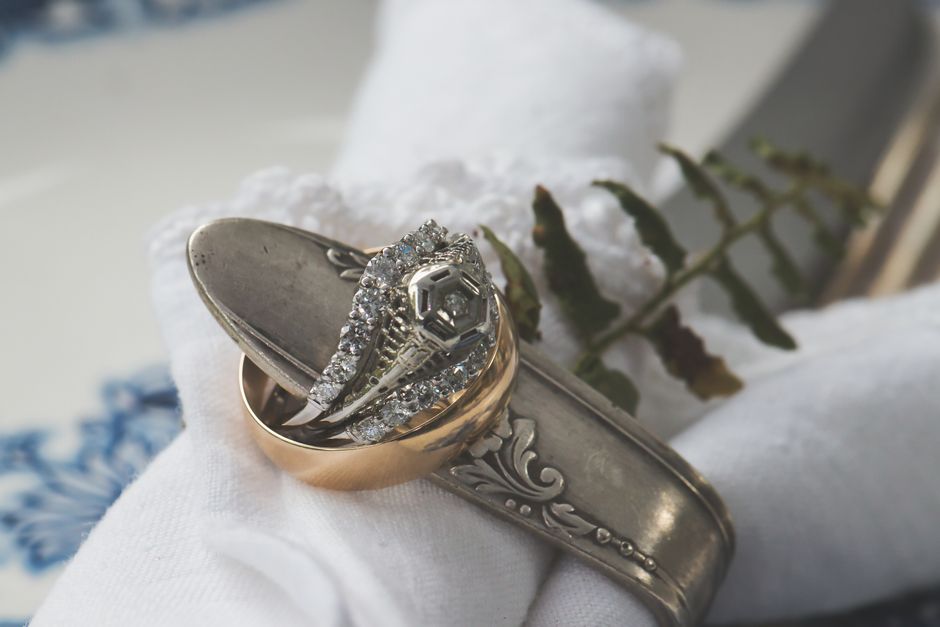
A genuine antique engagement ring is an original period piece; a vintage-inspired ring is newly made in an older style. Either can suit daily wear if its setting is secure and its care needs fit your routine. Before buying, inspect prongs, shank thickness, stone security, repairs, sizing, and return terms, then use an independent appraisal to document condition, period, and value.
What should I inspect before buying an antique engagement ring?
Inspect the prongs, shank, stone security, and signs of earlier repair before you commit. GIA notes that years of wear can weaken prongs and thin the shank, increasing the risk of losing a stone. Ask a jeweler to assess whether prongs need retipping or whether a quarter- or half-shank replacement is appropriate.
Look for a loose stone or a gap between a diamond and its setting. GIA recommends checking engagement-ring prongs every six months, a useful interval to continue after purchase. Ask directly: “Can you show me the prongs, shank, and any repairs that affect wear?” A clear answer should address the ring in front of you, not just its appearance.
Do not assume an older ring contains natural gemstones. GIA says antique and vintage rings may contain synthetic gems or simulants, and a stone may have been replaced. Its advice is simple: “Don’t assume that just because a ring is older, the stones are natural.” Confirm what the center stone is and whether it appears original to the ring.
Before paying, confirm the ring’s size and ask about resizing limits and the return window. GIA says older rings can be difficult to resize, especially when the size change is significant, and recommends checking fit before purchase. It suggests a fair return policy of at least seven days. Get the terms in writing so you have time to review the fit and any inspection findings.
Then arrange an independent appraisal. GIA says an appraisal should describe condition, validate historical period, and estimate value. For insurance, it recommends an appraiser with gemological and appraisal training who understands jewelry construction; ask whether the appraiser is independent of the seller. The report should state the item description, value, purpose, assumptions or limitations, and appraiser qualifications.
Can an antique engagement ring be resized safely?
Sometimes, but the answer depends on the ring’s construction, condition, and how much the size must change. GIA warns that antique and vintage rings can be difficult to resize, particularly for a significant change, so establish feasibility before purchase rather than treating resizing as a routine fix.
Ask the seller or jeweler: “Can this ring be resized to my finger size, and what parts of its construction could be affected?” Get a specific assessment of the proposed size change. If the answer is uncertain, make the purchase conditional on a professional evaluation or choose a ring that already fits. A return policy matters most when the fit is part of the risk.
Resizing and condition belong in the same decision. A thin shank or previous repair is relevant when evaluating further work, while the available sources do not provide a universal safe resizing limit or a standard price. Do not accept a guessed number as a guarantee. Have the ring assessed, and make sure the appraisal records condition and any important limitations.
How can I tell whether a ring is genuinely antique or vintage-inspired?
Use expert examination, construction, materials, and marks—not style alone—to assess whether a ring is a genuine period piece. GIA defines antique jewelry as made more than 100 years ago; “vintage” is noncontemporary jewelry that is not old enough to be antique. “Estate” only means preowned, and can include contemporary pieces.
The American Society of Appraisers’ article in The Journal of Antiques and Collectibles cautions that style by itself is not proof of age and advises consulting an expert to distinguish period jewelry from reproductions. Hallmarks and trademarks can help: a hallmark is a government stamp related to standards, while a trademark identifies a maker or retailer. Ask an appraiser to explain what the marks can—and cannot—establish.
Construction and materials can provide additional clues. The article notes that platinum was not commonly used until around 1900 and that period jewelry was often finished carefully on the back as well as the front. A solid-cast piece may be a warning sign when compared with period construction showing separately attached elements and solder marks. These are clues for expert assessment, not a do-it-yourself verdict.
Diamond cuts can also help place a ring in context: old mine-cut diamonds were generally cushion-shaped, while round old European cuts became possible with late-1800s cutting advances. Modern-style diamond proportions developed after 1917. But an individual stone may have been replaced, so cut and setting should be considered together rather than treated as a date stamp.
A newly made vintage-inspired ring can offer the look without being an original period object. Its exact cost, construction, or maintenance advantage over an antique ring is not established by the sources here. Compare the specific ring’s materials, setting, sizing options, and return terms; ask the seller to describe it accurately as newly made or period jewelry.
| Option | Who it suits | Cost | Key limitation |
|---|---|---|---|
| Genuine antique ring | Someone seeking an original period piece who can verify its condition and fit | not published | Wear may weaken prongs or thin the shank; resizing can be difficult |
| Vintage ring (not antique) | Someone seeking noncontemporary jewelry that is less than 100 years old | not published | Stones may be synthetic, simulants, or replacements; condition varies |
| New vintage-inspired ring | Someone seeking an older-style design without buying a period piece | not published | Specific construction, durability, and maintenance comparisons are not published |
Daily wear: care, checks, and insurance
Daily wear needs a repeatable check, not a guess based on age or appearance. GIA recommends a prong check every six months. If a diamond is loose or there is a gap between stone and setting, stop wearing the ring until it has been assessed; a small warning sign can precede stone loss.
GIA says diamonds rank 10 on the Mohs hardness scale, but they can still chip. Pointed or sharp-cornered shapes and very thin girdles need particular protection. Remove the ring for activities such as exercise and gardening, and store diamond jewelry separately to reduce scratching and chipping.
For routine cleaning, GIA suggests warm water, mild soap, and a soft toothbrush. Avoid abrasive household cleaners and steam cleaners; ultrasonic cleaning can damage treated diamonds. If the stone’s treatment status is unknown, ask a qualified professional before choosing a cleaning method.
For insurance, ask what kind of appraisal your insurer requires. GIA explains that insurance appraisals commonly estimate replacement value, and advises checking the insurer’s requirements. Many appraisers suggest updates every two to three years; an update can document current condition and reflect changed market values. Keep the appraisal details together with purchase and repair records.
Frequently Asked Questions
Are old engagement rings durable enough to wear every day?
They can be, but age and design alone do not establish durability. GIA notes that wear can weaken prongs and thin the shank, so have the setting assessed and remove the ring for activities such as exercise and gardening.
How much maintenance does an antique ring need?
The needed maintenance depends on its condition and setting. GIA recommends checking engagement-ring prongs every six months; a loose stone or a gap between the diamond and setting signals a problem to address.
Sources
- Gemological Institute of America: Shop Antique and Vintage Engagement Rings
- Gemological Institute of America: How to Protect Your Diamond Engagement Ring
- American Society of Appraisers, The Journal of Antiques and Collectibles: Antique and Estate Jewelry
- Gemological Institute of America: Appraisal Tips
Related guides

How to Choose Stability Walking Shoes for Flat Feet
Compare shoe support, fit, cushioning, and orthotics to find a practical starting point for walking with overpronation or flat feet.

How to Choose Eyeglass Frames: Titanium, Acetate, and More
Compare titanium, acetate, and other eyeglass frame materials for weight, durability, adjustability, skin sensitivity, and prescription fit.

What Should I Wear From the Beach to a Taverna in Greece?
A Greece beachwear guide for moving from the sea to island streets, tavernas, churches, and archaeological sites.

How Can I Manage Tan Lines in a Thong Bikini Safely?
A practical guide to managing thong-bikini tan lines with safer sunscreen, coverage, shade, and swimwear-rotation choices.