
What Is Electrical Engineering at UNCC Like?
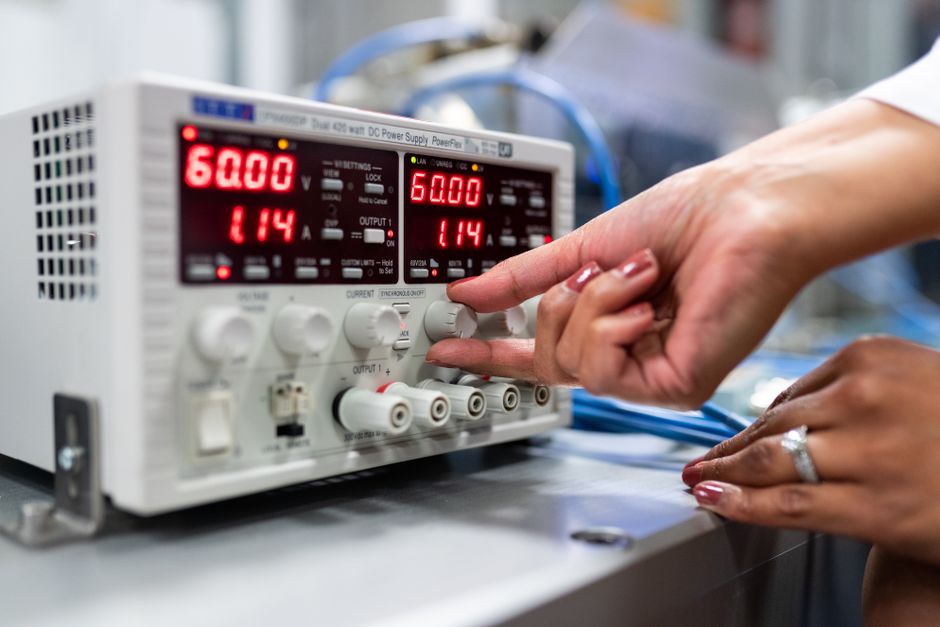
UNC Charlotte offers a 120-credit-hour B.S. in Electrical Engineering, separate from its Computer Engineering degree. The program combines a common first year with circuits, signals, electromagnetics, labs, and design work. Transfer applicants need a 2.50 GPA, at least 24 transferable credits, and Calculus I equivalent to MATH 1241 with a C or higher. ABET accreditation and industry-linked projects give students concrete ways to assess fit.
Does UNC Charlotte offer an electrical engineering program?
Yes. UNC Charlotte offers a Bachelor of Science in Electrical Engineering (B.S.E.E.) and a separate Bachelor of Science in Computer Engineering (B.S.Cp.E.). Both are accredited by ABET’s Engineering Accreditation Commission, according to the Electrical and Computer Engineering Department.
The distinction is useful when choosing a path. Electrical Engineering coursework includes network theory, signals and systems, electromagnetics, electronics, and electrical energy conversion. The department also names smart energy, renewable energy, power grids, microelectronics, and advanced communications among its study and research areas. Computer Engineering is a separate degree; the department lists embedded systems and robotics among its related areas. Compare the current degree plans to see which course mix matches the problems you want to work on.
The B.S.E.E. requires 120 credit hours. Students start in a common first year with engineering, math, and physics courses, then move into major coursework after meeting specified course and grade requirements. That sequence makes the early curriculum a shared foundation, while later courses focus on the chosen discipline.
Is UNC Charlotte's electrical engineering program good?
UNC Charlotte’s electrical engineering program has several concrete markers for evaluating fit: ABET accreditation, laboratory work, design courses, and connections to external industry leaders. Accreditation establishes that the degree program is assessed against engineering education standards; it does not determine whether the course focus or campus setting fits a particular student.
Hands-on work is part of the stated opportunity set. The department identifies labs, internships, and industry-sponsored senior design projects. The William States Lee College of Engineering’s Industrial Solutions Lab reports more than 500 student innovators and 90 senior-design projects annually across engineering disciplines. Projects span two semesters; each student typically spends about 250 hours on a project, often in teams of four to six with a faculty advisor and access to fabrication facilities and specialized labs.
Industry links are visible in the department’s Industry Advisory Board, which includes representatives from Qorvo, NAVAIR, and Duke Energy. These connections and project options offer ways to test classroom knowledge against engineering work. They do not guarantee a placement, internship, or job. For regional career context, see this guide to electrical engineering jobs in Charlotte.
Electrical engineering is demanding because the plan moves from math and physics foundations into connected technical subjects: circuits, signals, fields, electronics, and energy conversion. The catalog’s sequence suggests a practical way to judge readiness: examine your interest in quantitative prerequisites, then consider whether you want to keep building that foundation through labs and design. The available sources do not rank EE against other majors by difficulty, so claims that it is definitively the hardest degree are not supported here.
Earnings also need context. The U.S. Bureau of Labor Statistics reports a May 2024 median annual wage of $111,910 for electrical engineers; the highest-paid 10 percent earned more than $175,460. For electronics engineers, except computer, the median was $127,590 and the highest-paid 10 percent earned more than $199,060. These are occupation-wide figures, not starting salaries or promises tied to a specific university. They do not establish $500,000 as a typical outcome. The BLS projects 7 percent employment growth from 2024 to 2034 and about 17,500 openings a year on average; it also says employers value practical experience such as internships or cooperative programs.
What are the requirements to get into electrical engineering at UNCC?
Engineering transfer applicants need a 2.50 GPA, at least 24 transferable credit hours, and Calculus I equivalent to MATH 1241 completed with a grade of C or higher, according to the UNC Charlotte Undergraduate Catalog. Meeting those thresholds is a practical starting point, but course selection also matters.
| Transfer check | Published requirement or guidance |
|---|---|
| GPA | At least 2.50 |
| Transferable credits | At least 24 credit hours |
| Calculus I | Equivalent to MATH 1241, with a grade of C or higher |
| Course planning | Use the current-year Electrical Engineering transfer guide and review required courses with both advisors |
UNC Charlotte’s transfer-guide page includes a guide for North Carolina community college students pursuing the B.S.E.E. It distinguishes required courses from suggested courses, and the university updates guides annually. Missing a required course can affect admission directly into the major, access to later courses, or time to degree.
A useful checklist is to confirm the current guide’s academic year, map each required course to a community-college course, verify transfer equivalencies, and review the plan with both the community-college advisor and a UNC Charlotte contact. The catalog points to course and grade requirements for progression from the common first year into major courses; transfer planning should account for that sequence rather than focusing only on the minimum credit total.
Frequently Asked Questions
Can I transfer to UNCC electrical engineering from a community college?
Yes. UNC Charlotte publishes an Electrical Engineering transfer guide for North Carolina community college students. Engineering transfer applicants need at least a 2.50 GPA, 24 transferable credit hours, and Calculus I equivalent to MATH 1241 with a C or higher; check the current guide with advisors because required courses can affect major admission and time to degree.
What classes are in the UNCC electrical engineering plan of study?
The degree begins with a common first year that includes engineering, math, and physics, then progresses into major courses after specified course and grade requirements are met. The catalog lists network theory, signals and systems, electromagnetics, electronics, electrical energy conversion, laboratories, junior design, and a two-course senior design sequence.
What hands-on experience and career opportunities do UNCC EE students get?
The department identifies hands-on labs, internships, and industry-sponsored senior design projects as student opportunities. The college reports that senior-design teams typically spend two semesters and about 250 hours per student on their work. The catalog lists career areas including power, communications, controls, robotics, medical products, and process engineering.
Sources
- UNC Charlotte Undergraduate Catalog — Electrical Engineering, B.S.E.E.
- UNC Charlotte Electrical and Computer Engineering Department
- UNC Charlotte Undergraduate Admissions — Transfer Guides
- UNC Charlotte William States Lee College of Engineering — Industrial Solutions Lab
- U.S. Bureau of Labor Statistics — Electrical and Electronics Engineers
Related guides

Where Can I Find Electrical Engineering Jobs South Carolina?
Electrical engineering jobs in South Carolina span utilities, power engineering, manufacturing, and building systems, with posted salaries varying by role.
Electrical Engineering Jobs Charlotte NC: A Practical Guide
Charlotte electrical engineering jobs span several specialties, with a metro median of $103,360 and entry-level substation pay posted at $75,000–$85,000.

What Is the Best Alternative to Plastic Food Packaging?
Compare paper, molded fiber, compostables, and reusable food packaging by performance, disposal access, and practical trade-offs.

Which Foods Contain Microplastics, and Are They Dangerous?
Microplastics have been found in many foods, but inconsistent testing and limited health evidence make the risks—and the role of packaging—uncertain.